
Roof Ventilation San Jose: 7 Essential Warning Signs (2026)
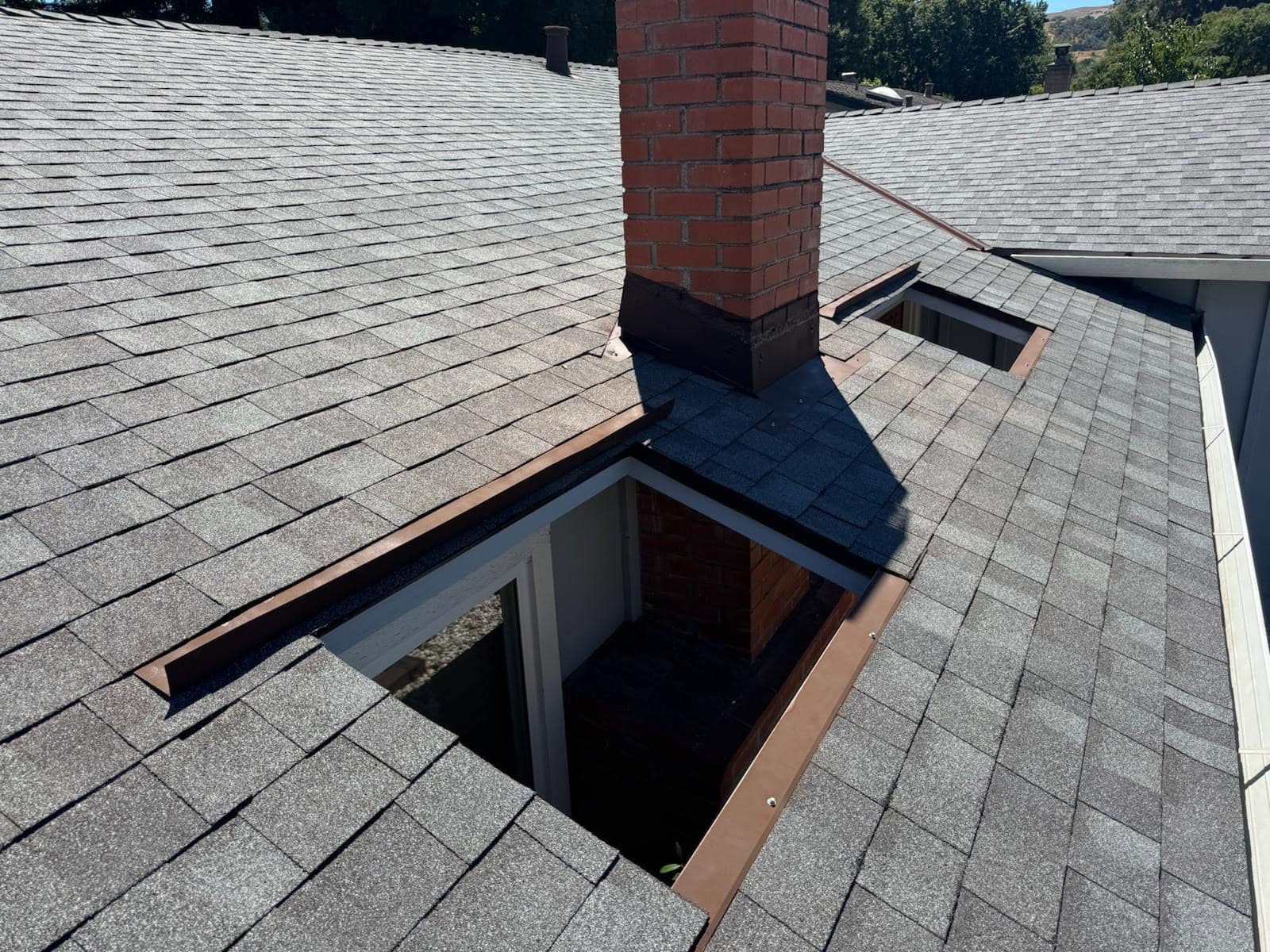
San Jose, CA. A roof ventilation San Jose home needs usually shows up before a leak does: shingles that look cupped or worn along the roof edges, a musty smell when you open the attic hatch, or a summer power bill that keeps climbing for no clear reason. Trapped heat and moisture under the roof deck wear on wood and shingles slowly, so by the time a stain shows up on a ceiling, the underlying airflow problem has usually been building for a few years already. Here's how to spot it early, what the building code actually requires, and when it's worth having a roofer take a look.
Quick overview
- The baseline most contractors and the California Residential Code work from for a roof ventilation San Jose attic needs is 1 square foot of net free ventilating area for every 150 square feet of attic floor space, split between intake vents low at the eaves and exhaust vents high near the ridge.
- Warped or rotted soffit boards, bubbled paint on the fascia, and shingles that look worn or cupped near the roof edges are classic signs of trapped heat and moisture, according to the U.S. Department of Energy.
- A hot, stuffy attic in summer and a musty smell or visible mold in winter usually point to the same root problem: air isn't moving through the attic the way it's supposed to.
- Most asphalt shingle manufacturers tie full warranty coverage to proper attic ventilation, so a ventilation problem can quietly void part of a roof's warranty years before anyone notices the symptoms.
- Fixing ventilation is almost always done from the roof surface rather than inside the living space, so it's typically a same-day add-on to a repair or replacement rather than its own separate project.
What counts as poor roof ventilation in a San Jose attic?
A roof is supposed to breathe. Cooler outside air is pulled in low, usually through soffit vents under the eaves, and warmer, moist air is pushed out high, through a ridge vent or gable vents near the roof's peak. When that path is blocked, by insulation stuffed too far into the eaves, a bird's nest in a soffit vent, or simply not enough vent area for the size of the attic, heat and moisture end up with nowhere to go. Getting this balance right is really the whole job behind a working roof ventilation San Jose plan.
San Jose's climate makes this a year-round issue rather than a seasonal one. Summer attic temperatures can climb well past 140°F under a dark roof with poor airflow, and that heat bakes the underside of shingles from below, shortening their working life. Then the wet season from November through March adds humidity that needs an exit route, or it ends up condensing on the underside of the roof deck instead of leaving the attic.
What are the warning signs of poor attic ventilation?
Most of the signs show up in the attic itself rather than from the street. The U.S. Department of Energy's building science guidance for attics points to a specific set of symptoms: warped or rotted soffit panels and fascia boards, bubbled paint on those same surfaces, shingles that look worn or cupped near the roof edges, wet insulation close to the eaves, and mold or mildew on the attic's wood surfaces. The department's guidance also flags bathroom or kitchen exhaust fans that vent directly into the attic instead of outside as a major, and easily overlooked, source of extra moisture.
From inside the house, the most common complaints are an upstairs that runs noticeably hotter in summer than the rest of the home, a musty smell when the attic hatch opens, and visible daylight or gaps where insulation has crept over a vent opening that was supposed to stay clear. None of these on their own prove a ventilation problem, but two or three together are worth having a roof ventilation San Jose inspection scheduled.
How much roof ventilation does a San Jose home actually need?
The working standard, codified in the California Residential Code at section R806.2, is 1 square foot of net free ventilating area for every 150 square feet of vented attic space. For a typical 1,200-square-foot attic, that works out to roughly 8 square feet of total vent opening, split between intake and exhaust.
The code allows a reduced 1:300 ratio in some cases, but only where a vapor retarder is installed and the local climate calls for it, conditions that describe cold-winter regions rather than the Bay Area. For most San Jose homes, the 1:150 standard is the number a contractor should be working from. Balance matters as much as total area: adding more ridge vent than the eave vents can actually feed does little good, since the exhaust side can only move as much air as the intake side lets in.
Does poor ventilation affect my roof warranty or energy bills?
Often, yes, on both counts. Several major shingle manufacturers write proper attic ventilation into the conditions of their full system warranty, so an attic that has been under-vented for years can leave a homeowner with a warranty claim that gets denied over a problem that has nothing to do with the shingles themselves. On the energy side, a well-ventilated, well-insulated attic keeps conditioned air where it belongs, while a hot, stagnant attic in summer pushes extra heat into the rooms below and makes the air conditioner work harder than it should have to, which is one more reason a well-planned roof ventilation San Jose homeowners invest in tends to pay for itself.
Getting your attic's ventilation checked in San Jose
Ventilation problems are usually simple to confirm and inexpensive to fix once they're found, but spotting them from the ground isn't realistic for most homeowners. If any of the signs above sound familiar, our residential roof repair team can check vent placement and attic airflow as part of a standard inspection. If the roof is old enough that a bigger conversation makes sense anyway, our residential roof replacement team builds correct ventilation into the plan from the start rather than treating it as an afterthought.
And if a ventilation problem has already turned into an active leak or visible water damage, our emergency roof leak repair team can get someone out quickly. However you get there, fixing the airflow in a roof ventilation San Jose homeowners can rely on is one of the lower-cost ways to add years back onto a roof's working life.
Frequently asked questions
How do I know if my attic has enough ventilation?
Look for a balance of intake vents at the eaves and exhaust vents at or near the ridge, with no insulation blocking the eave openings. If the attic feels noticeably hot in summer or has a musty smell, it's worth having a roofer measure the actual vent area against the size of the attic.
Can I add ventilation without replacing the whole roof?
Usually, yes. Additional soffit vents, a ridge vent cut into an existing roof, or gable vents can often be added during a repair visit without needing a full tear-off.
Does a solar-ready roof change ventilation needs?
It can. Panels mounted close to the roof deck trap additional heat underneath them, so a roof going solar is a good time to confirm the existing ventilation is adequate rather than assuming the original setup still works.
Will a roofer need to get into my attic to check ventilation?
Usually a quick attic visit is part of it, along with a look at the vents from the roof surface itself, to confirm both the vent count and whether anything inside, like insulation or stored boxes, is blocking airflow.
Is poor ventilation covered by homeowners insurance?
Generally not on its own. Insurance typically covers sudden damage, like a storm-caused leak, rather than gradual wear from a long-term ventilation problem, which is one more reason to catch it early rather than waiting for a claim-worthy event.
Roof ventilation San Jose: summary
A solid roof ventilation San Jose plan comes down to a few basics: intake low at the eaves, exhaust high near the ridge, roughly 1 square foot of net free vent area per 150 square feet of attic space, and nothing blocking either side. The signs of a problem, worn shingles at the edges, a musty attic, bubbled paint on the fascia, or a summer bill that keeps creeping up, are usually visible well before they turn into a repair. If it's been a while since anyone checked the attic's airflow, or the roof is old enough that ventilation was never part of the original plan, contact us and we'll take a look.
Contact Information
Avera Roofing & Remodeling
325 South 1st Street #120
San Jose, CA 95113
United States
(855) 375-8844
https://averaroof.com/