
Roof Permit Marin County: 6 Essential Rules for 2026
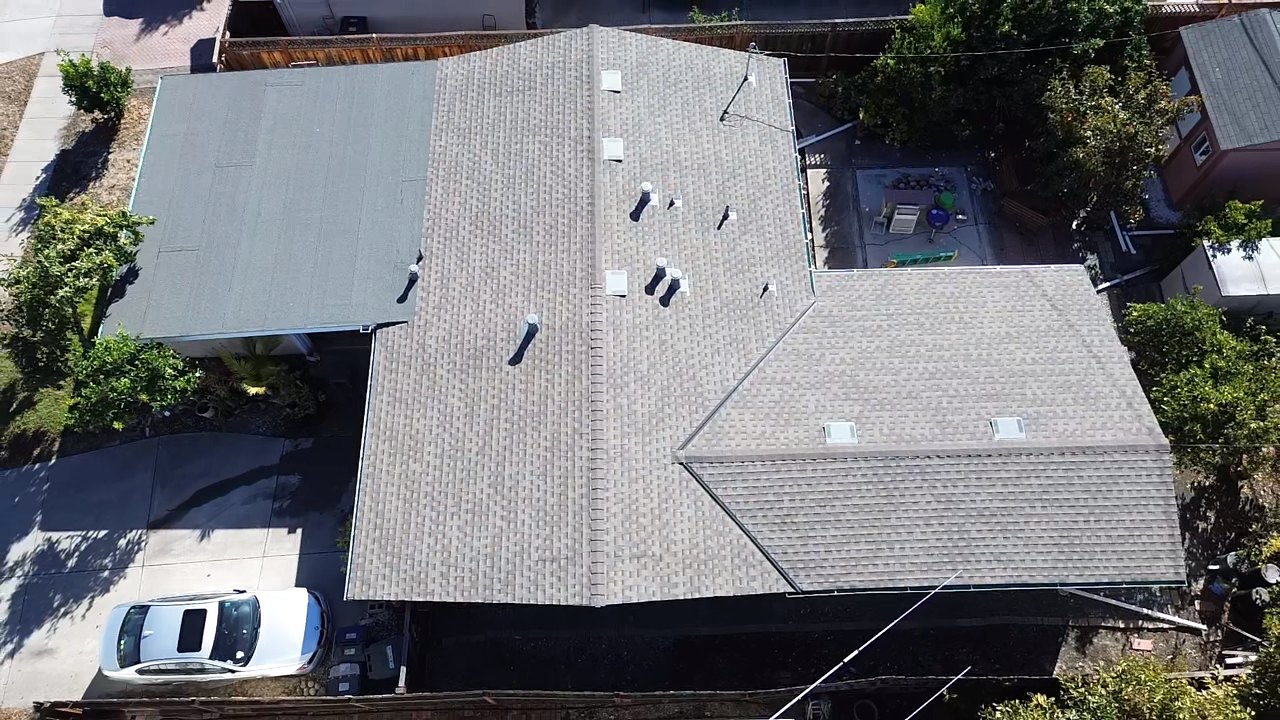
Marin County, CA. Yes, nearly every re-roof and structural roof repair in Marin County needs a permit, and in most of the county's wildland-urban interface zones, the new roof covering has to meet at least a Class B fire rating. Knowing the roof permit Marin County rules before a crew starts tearing off old shingles keeps a project from stalling mid-job over paperwork, or worse, failing a fire-department inspection after the material is already on the roof. Here is what homeowners in Marin's unincorporated communities, and the roofers who work there, actually need to confirm before signing a contract.
Quick overview
- Re-roofing, structural repairs, and most roofing work beyond small maintenance patches need a building permit in unincorporated Marin County; your contractor, not you, should pull it.
- Marin County Fire Department's Wildland-Urban Interface standard requires Class B or higher fire-rated roof coverings on all roofs, a rule that reaches an estimated 10,000 parcels in the department's jurisdiction.
- If a re-roof exposes the rafters or sheathing, eave and cornice vents have to be removed or upgraded to ember-resistant venting as part of the same permit.
- Roof gutters need covers or guards that keep out leaves and debris, and fire-safety guidance for the county steers homeowners away from plastic gutters and gutter guards.
- California's unlicensed-handyperson exemption covers jobs up to $1,000 in labor and materials as of January 2025, but any roofing work that needs a permit, which is nearly all of it, still requires a licensed C-39 roofing contractor regardless of price.
- Incorporated cities inside Marin, including San Rafael, Novato, and Mill Valley, run their own building departments, so confirm requirements with the specific jurisdiction rather than assuming county rules apply everywhere.
Roof permit Marin County rules: when you need one and when you don't
Marin County's building division processes routine re-roofing through its online "maintenance permit" category, alongside siding and stucco work and same-size window or door swaps. These are, in the county's own words, permits for jobs that replace something that already exists, and the department says it will not ask for plans on that category of work. A full tear-off and re-cover of an existing roof with the same type of material typically fits this track.
Larger or structural changes, such as adding new roof framing, converting roof pitch, or building out a roof deck, fall outside the maintenance category. Those need plans submitted up front, and the county's own general information guidance puts that review process at six to eight weeks before work can start. The same guidance is direct about the baseline rule: no structure may be repaired or improved unless a separate permit has first been obtained, and roofing is not on the short list of work the county exempts from that requirement.
Once the permit is issued, inspections go through the county's 24-hour inspection request line, and you will need the job address, permit number, and inspection type code on hand to schedule one. A permit is not indefinite: work has to begin and get its first inspection within one year, and the whole project needs to pass final inspection within two years or the permit becomes void and has to be pulled again.
What a Wildland-Urban Interface roof requirement means for your project
Marin County has a large Wildland-Urban Interface footprint, and the county fire department's standard for remodels and alterations to existing buildings puts the WUI zone it regulates at roughly 10,000 parcels. Under that standard, a Class B or higher fire-rated roof covering is required for all roofs, not just new construction, which means a straightforward like-for-like re-roof in a WUI zone still has to clear that bar even if the home has never had a fire-rated roof before.
The same standard ties roofing work to attic ventilation. If a reroofing permit is issued and the job exposes the rafters or spaced sheathing, any eave or cornice vents on the building have to be removed or changed to vents that resist flame and ember intrusion. New roof-mounted vents installed as part of the project still have to meet the attic ventilation minimums in the building code, so a re-roof is often the point where older, unscreened eave vents finally get addressed.
This particular fire standard is older, and county and state fire codes are revised on their own schedule, so a licensed contractor pulling permits in Marin today should confirm the current edition of the requirements with the county's building and fire divisions rather than relying on any single published handout, including this one.
Which roofing materials clear Marin's fire-rated roofing requirement?
Class B sits in the middle of the fire-rating scale used for roof coverings, and standard options that meet or beat it are easy to find. That floor matters for every roof permit Marin County project, since the inspector checks the new covering against it before signing off. Concrete and clay tile, metal roofing systems, and many modern composition shingle products all carry Class A ratings, which exceed the county's Class B floor with room to spare. Metal roofing in particular has become a common upgrade choice in Marin's WUI zones, since it combines a top fire rating with a service life that often outlasts two or three composition roofs.
Material choice is only part of the picture. Fire-safety guidance for Marin County homeowners recommends metal gutter guards specifically because they keep fine, ember-ignitable debris from building up where it can catch, and the same guidance tells homeowners to avoid plastic gutters and plastic gutter guards, which are combustible. A metal drip edge at the roof's lower perimeter is another detail the guidance flags, since it reduces the chance of fire spreading up into the roof assembly from below.
Hiring a licensed roofer for Marin County permit work
Roofing in California requires a C-39 classification from the Contractors State License Board, and that applies in full to Marin County permit work. Before signing anything, look the contractor up on the CSLB website and confirm the license is active and carries the C-39 classification rather than a general B license. Checking that status is part of any roof permit Marin County project, not an optional step.
California raised its unlicensed-handyperson exemption from $500 to $1,000 in combined labor and materials starting January 1, 2025, which sometimes gets homeowners wondering whether a small roof patch can skip the licensing requirement entirely. It cannot, in practice: almost any roofing work in Marin County needs a permit, and permitted work always requires a licensed C-39 contractor no matter how small the invoice comes in under. Treat a bidder who waves off the permit question as a reason to keep looking, not a shortcut worth taking.
Get roof permit Marin County help from Avera Roofing & Remodeling
Avera Roofing & Remodeling is a licensed roofing company serving Marin County, and we handle the permit paperwork and fire-district coordination as part of every re-roof, not as an add-on. Whether the project is residential roof replacement or a targeted residential roof repair, we can walk you through the roof permit Marin County rules that apply to your specific address before a tear-off ever starts. We have covered similar permit questions for San Jose homeowners as well, and we serve the wider Bay Area beyond Marin, including Contra Costa County and San Mateo County. Ready for a scoped estimate? Contact Avera Roofing & Remodeling or learn more on our homepage.
Frequently asked questions
What are the roof permit Marin County rules for a basic re-roof?
A standard tear-off and re-cover with the same type of material generally goes through the county's online maintenance permit category, which does not require submitted plans. Structural changes or new roof framing need full plan review instead.
What fire rating does my roof need in Marin County?
Marin County Fire Department's wildland-urban interface standard requires a Class B or higher fire-rated roof covering on all roofs in its jurisdiction, and many popular materials, including tile and metal, carry a Class A rating that exceeds that minimum.
Does re-roofing affect my attic vents under Marin's fire code?
Yes. If the job exposes the rafters or sheathing, eave and cornice vents must be removed or upgraded to ember-resistant venting as part of the same reroofing permit.
Can an unlicensed handyperson do roof repairs in Marin County?
Only for very small jobs under California's $1,000 labor-and-materials exemption, and only if the work does not require a permit. Since nearly all roofing work in Marin County needs one, a licensed C-39 contractor is required in practice.
Should I repair or replace an older roof in Marin County?
Repair makes sense for isolated, recent damage on a roof with years of service life left. Replacement is usually the better value once a roof has already needed several patches, or once it no longer meets the county's Class B fire-rating requirement outright.
Roof permit Marin County rules: summary
Roof permit Marin County rules boil down to a short list: assume a permit is required for anything beyond minor maintenance, expect a Class B or higher fire rating in most of the county's wildland-urban interface zones, plan for an ember-resistant vent upgrade if the roof deck gets exposed, and confirm the specific process with your city's building department if you are inside an incorporated town rather than unincorporated Marin.
A licensed C-39 contractor who works in Marin regularly should already have these steps built into their process, which is one more reason a contractor's license number is worth checking before the first nail goes in. For the permit process itself, Marin County's building division outlines the maintenance-permit track on its official permit application page, and FireSafe Marin's wildfire retrofitting guide covers the fire-resistant roofing and gutter details in more depth.
Contact Information
As a licensed roofing contractor serving Marin County and the rest of the Bay Area, Avera Roofing & Remodeling is reachable at:
Avera Roofing & Remodeling
325 South 1st Street #120
San Jose, CA 95113
United States
(855) 375-8844
https://averaroof.com/