
HOA Roof Replacement San Jose: 5 Essential Steps for Boards
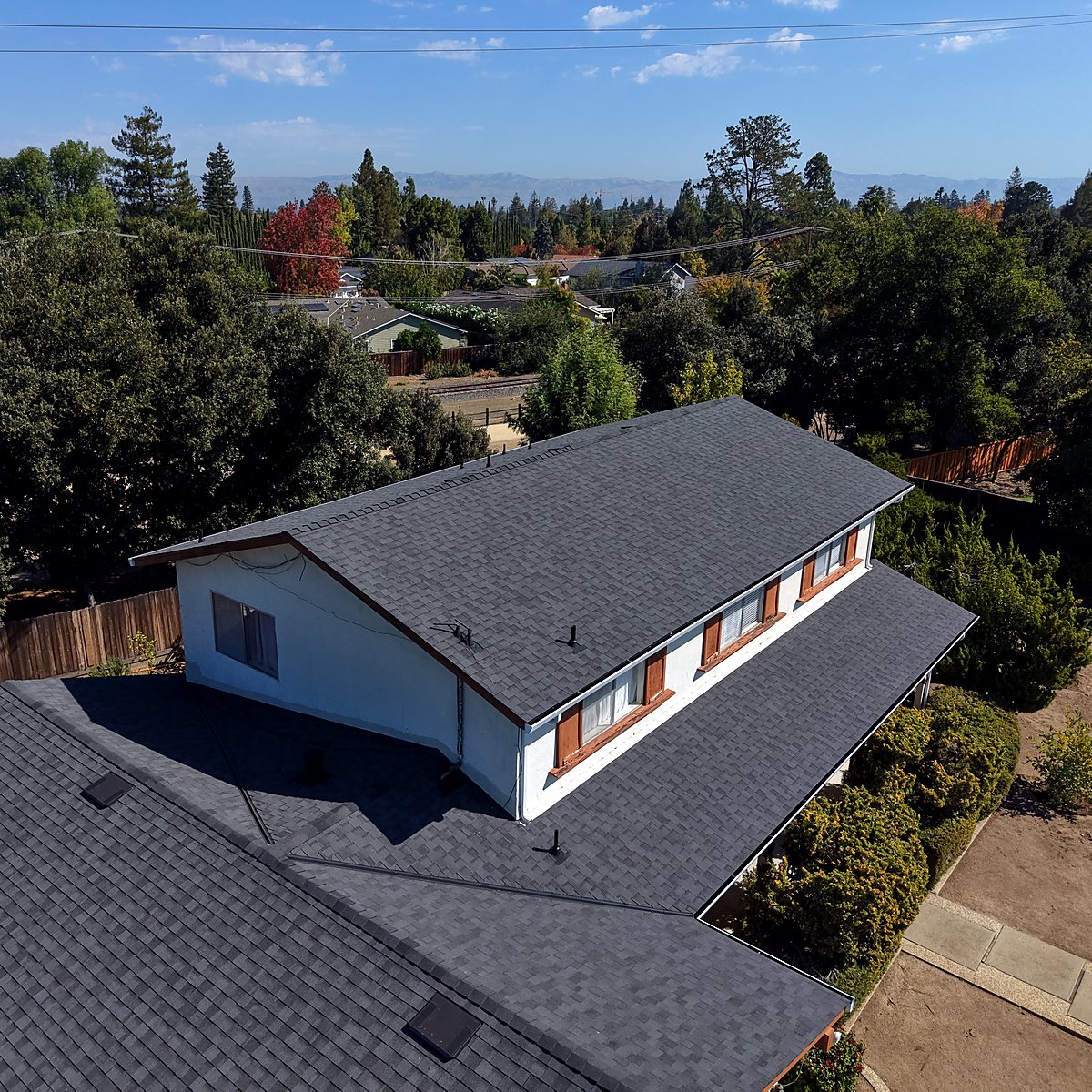
San Jose, CA. An HOA roof replacement San Jose boards manage well starts with three things done in order: a reserve study that actually supports the project cost, a bidding process that produces comparable numbers, and a permit pulled for every building on the property, not just the complex as a whole. Skip any one of the three and a board can end up defending a special assessment, a complaint from a dissenting owner, or a stop-work order mid-project. Here is how the process is supposed to run, and where it tends to go sideways.
Quick overview
- California Civil Code Section 5550 requires most associations to update their reserve study at least every three years and review it annually, so the roof's remaining useful life and replacement cost should already be documented before a board starts calling contractors.
- There is no state law requiring exactly three bids, but a Request for Bid built around identical specifications is the standard way California HOA attorneys recommend comparing contractors, since it keeps scope and materials consistent across bids.
- San Jose requires a building permit whenever 25% or more of a roof is reroofed within a 12-month period, and each separate structure in a multi-building complex needs its own permit, not one blanket permit for the whole association.
- Unpermitted roofing work can give an insurance carrier grounds to deny a future claim, which matters more for an HOA than a single homeowner, since one roof covers many units and owners at once.
When does an HOA need a reserve study before a roof replacement?
Under Civil Code Section 5550, an association must arrange a visual inspection of its major components, roofs included, at least once every three years when those components are worth at least half the association's annual budget. The study has to estimate each component's remaining useful life, the cost to repair or replace it, and the annual contribution owners need to make so the reserve fund can cover it without a special assessment. Boards are also required to review the study every year and adjust the funding plan if costs or timelines have shifted.
A roof nearing the end of its documented life should already show up in that annual review well before shingles start failing. That's what gives a board room to run a competitive bid process instead of an emergency one.
How many bids should a board collect for an HOA roof replacement San Jose project?
There is no statute setting a minimum number of bids for an association project. What California HOA legal guidance recommends instead is a Request for Bid, not an open-ended request for proposals, so every contractor prices the same scope, materials, insurance requirements, and timeline. Comparing a contractor's bid against the association's documented reserve estimate matters as much as comparing it against competitors.
Bids that land within about 10% of each other are a reasonable range. A bid far below the others deserves scrutiny before a board accepts it, since corners cut on flashing, underlayment, or ventilation on a multi-building roof rarely show up until the next rainy season. A board isn't obligated to take the lowest number, and most association attorneys recommend having legal counsel review the signed contract before work begins, not after.
What permits does a San Jose HOA need for a roof replacement?
San Jose requires a permit once 25% or more of a roof's surface is reroofed in any 12-month period, and the city treats each structure separately. That detail matters more for townhome and condo associations than it does for a single-family reroof: a ten-building complex getting new roofs typically needs ten permits, not one, and each building goes through its own inspection before the work is signed off.
The contractor, not the association, should be the one pulling the permits, and the permit card has to stay on site and available to the inspector for the length of the project. Confirm scheduling and fees directly through San Jose's reroof project guidance, since those details are handled through the city's own permit portal rather than a contractor's estimate.
What roofing materials hold up on Santa Clara County condo and townhome complexes?
Composition shingle and tile remain the two most common material choices for an HOA roof replacement San Jose complex takes on, largely because they match what the rest of a complex's buildings already use and because an HOA's architectural guidelines usually specify one or the other. Flat or low-slope sections, common on older garden-style condo buildings, typically call for a different membrane system than the pitched roofs over the units themselves, so a single reroof project can involve two material systems under one contract.
Title 24 energy code requirements apply to reroofing the same way they apply to new construction, which is part of why a reserve study's cost estimate from three years ago can run low by the time a board is ready to sign a contract. Matching materials across every building also protects the complex's resale uniformity, something an architectural review committee will usually flag if a bid proposes a different shingle line than what's already on site.
Comparing a board's options before signing
Every HOA roof replacement San Jose boards take on benefits from the same groundwork: a documented reserve estimate, a Request for Bid sent to licensed contractors, and a permit plan for every structure on the property. If the complex includes commercial-style common areas, a clubhouse, or flat-roof sections alongside pitched residential roofs, our commercial roof replacement team can scope those sections as part of the same bid.
For straightforward pitched-roof buildings, our residential roof replacement team handles the estimate, permit coordination, and material matching board members need for a clean comparison against other bids. If a board is dealing with an active leak on one building while the larger reroof project is still being planned, our emergency roof leak repair line handles that separately, so one urgent fix doesn't get folded into, or rushed because of, the bigger decision.
We've also covered how to vet an individual roofing contractor San Jose bid in detail, and what a typical roof replacement costs and timeline look like outside the HOA bidding process, if a board wants the homeowner-side comparison too. For a broader look at how Avera works across Santa Clara County and specifically in San Jose, those pages cover service area and licensing in more detail. Boards ready to start the bid process can contact us directly for a Request for Bid-ready estimate.
Frequently asked questions
Does an HOA need a licensed contractor for a roof replacement?
Yes. California requires an active, verifiable CSLB license for roofing work of this scope, and a board should check that license directly on the CSLB's public lookup tool rather than taking a bid packet's claim at face value.
Can a board approve a roof replacement without an owner vote?
In most associations, routine maintenance and reserve-funded capital projects fall within board authority without a membership vote, though a special assessment to cover a funding shortfall usually requires owner notice and, in some cases, a vote. Governing documents vary, so a board should check its own CC&Rs before assuming either way.
How long does an HOA roof replacement San Jose complex typically take?
A multi-building reroof usually runs longer than a single-family job because of sequential permitting and inspections per structure, plus scheduling around occupied units. Boards should plan for the project to span several weeks to a few months, depending on the number of buildings and whether flat-roof sections are involved.
What happens if the reserve fund doesn't cover the full project cost?
Boards typically cover the gap through a special assessment, a reserve loan, or a combination of both. That's a financial and legal decision for the board and its counsel or CPA, not something a roofing contractor can advise on.
Should the HOA or the contractor pull the roofing permits?
The contractor. On an HOA roof replacement San Jose project, a permit filed under the association's name instead of the licensed contractor's removes a layer of accountability the city's inspection process is built around.
HOA roof replacement San Jose: summary
A well-run HOA roof replacement San Jose board oversees starts with the paperwork most owners never see: a current reserve study, a Request for Bid sent to licensed contractors with identical specs, and a permit filed for every building on the property. Skipping the reserve study review leaves a board guessing at cost. Skipping the per-building permit leaves the association exposed if an insurer later questions the work. Get a documented bid that accounts for both, and the rest of the project, material selection, scheduling around residents, and matching the complex's existing roofline, becomes a much shorter conversation. If your board is ready to start that conversation, reach out to Avera Roofing & Remodeling for a scoped estimate.
Contact Information
As a licensed roofing contractor serving HOA and condo associations across San Jose and Santa Clara County, Avera Roofing & Remodeling is reachable at:
Avera Roofing & Remodeling
325 South 1st Street #120
San Jose, CA 95113
United States
(855) 375-8844
https://averaroof.com/