
Roofing Contractor San Jose: How to Vet a Repair or Replacement Bid (2026)
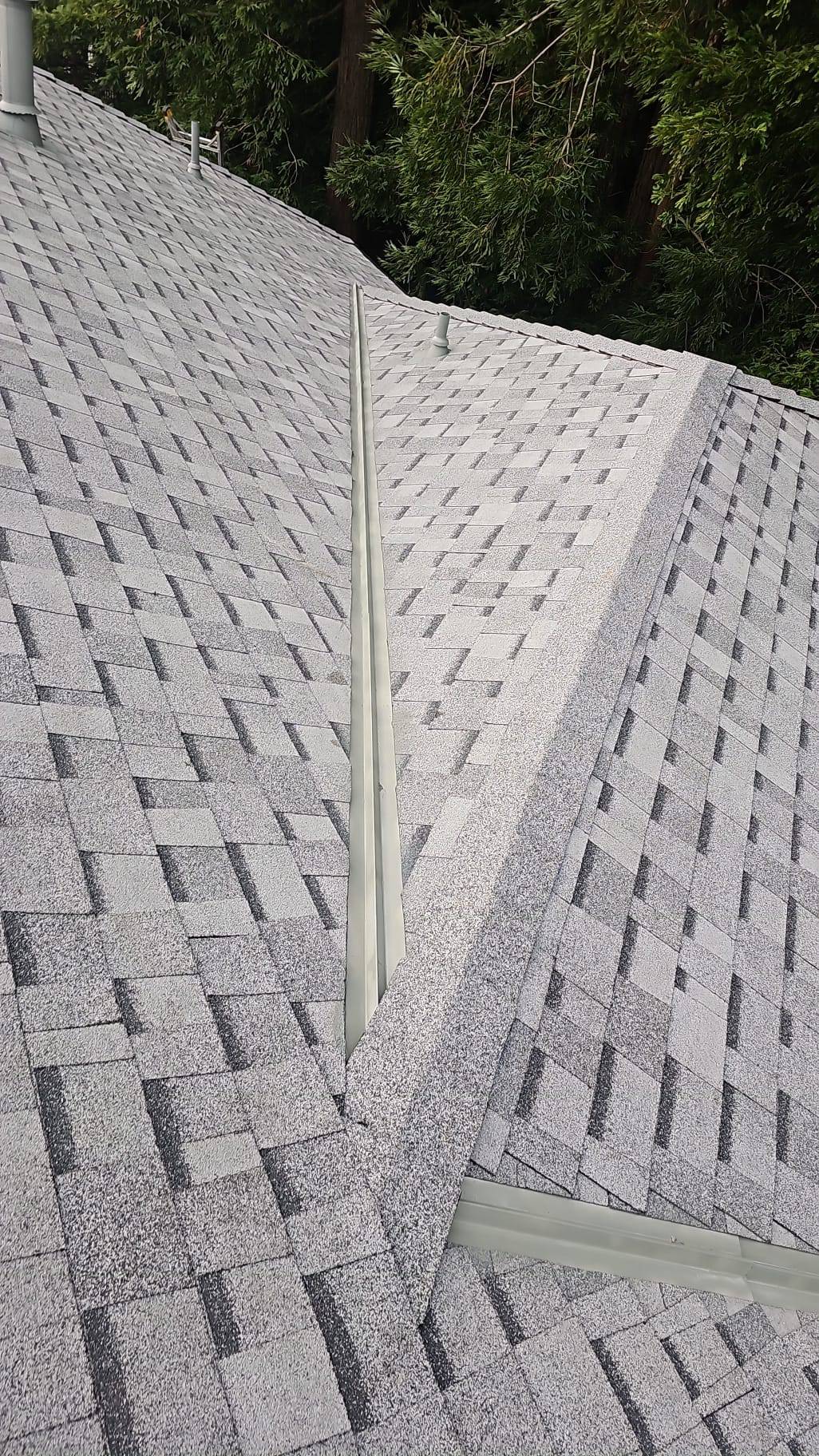
San Jose, CA. A roofing contractor San Jose homeowners can trust is one you can vet in under a minute: a CSLB license number you can verify yourself, a written contract with a fixed start and completion date, and a down payment that doesn't exceed what state law allows. Contractors who hesitate on any of the three are telling you something. Here's what to check, in order, before a repair or replacement bid turns into a signature.
Quick overview
- California contractors must hold an active CSLB license for any roofing job over $1,000 that needs a permit or hired labor. San Jose requires a permit on any reroof covering 25% or more of the roof, so licensing isn't optional for a real repair or replacement job.
- State law caps the down payment a contractor can collect at $1,000 or 10% of the total contract price, whichever is less, unless the contractor posts a payment bond. A bigger upfront ask is a legal red flag, not just a judgment call.
- A contractor's bond in California must be at least $25,000. You can confirm both the license and the bond status in under a minute on the CSLB's public lookup tool.
- Storm-chasing roofers who go door-to-door after a windstorm, pressure same-day signatures, or offer a "free" roof paid entirely by your insurance claim account for a large share of roofing complaints filed with the state.
- Every written roofing contract should name who pulls the permit (it should be the contractor), spell out the payment schedule, and separate the workmanship warranty from the manufacturer's material warranty, two different things that expire on different timelines.
- Getting three bids that scope the same repair or replacement the same way is the single best way to catch a lowball bid that's missing work, or an inflated one padded with unnecessary scope.
How do you verify a roofing contractor's license in San Jose?
Pull up the CSLB's license lookup tool, enter the number the contractor gave you, and confirm three things: the license is active, the classification includes C-39 (roofing), and the bond and workers' comp status both show current. A license that's expired, suspended, or listed under a different business name than the one on your quote is a stop sign, not a technicality. Roofing work in San Jose almost always requires both a permit and a licensed contractor, since the city's 25%-of-roof reroof threshold is easy to cross even on a moderate repair, and a 2025 change to state law (AB 2622) that lets unlicensed workers handle small jobs under $1,000 only applies when no permit is needed and no one is hired to help, conditions a real roof job rarely meets.
What should be in a roofing contract before you sign?
Any roofing contractor San Jose homeowners hire should hand over a written contract, not a verbal promise. A compliant home improvement contract in California spells out the contractor's name, license number, and business address; a fixed start date and a reasonable completion window; the exact materials and scope, down to the underlayment and flashing details, not just "reroof"; the total price and payment schedule; and who is responsible for pulling the permit. It should also state your right to cancel within three business days if you signed at your home rather than at the contractor's place of business, a protection under California's home solicitation sales rules. If a bid arrives as a one-page estimate with no license number and no scope detail, that's not a contract, and it's not something to sign under time pressure.
How much can a contractor legally ask for upfront?
Under California Business and Professions Code Section 7159.5, a contractor can collect no more than $1,000 or 10% of the contract price, whichever is less, before starting work, unless they've posted a specific performance and payment bond that lets them collect more. On a $16,000 reroof, that means a maximum $1,000 deposit, not the $3,000 or $5,000 some bids ask for. Contracts are required to print that limit in bold near the payment terms. A contractor who asks for a third or half of the job cost upfront, or relabels the deposit as a "materials fee" to get around the cap, is violating state law, and it's grounds for a complaint to the CSLB.
How do you spot a storm-chasing roofing scam?
A legitimate roofing contractor San Jose residents can vouch for won't need to chase storms for business. The pattern is consistent enough to check against a list: door-to-door solicitation right after a storm, a demand to sign the same day, a business with no local address or a P.O. box, and a pitch built entirely around "your insurance will cover it" before anyone has filed or verified a claim.
Some go further and stage damage during a "free inspection" to manufacture a repair that wasn't needed. None of that describes an established San Jose roofing company, which has a permanent address, a reviewable history, and no reason to rush a decision that's going to sit on your roof for the next 20 years. If a sales visit follows a storm and involves any of those four signs, call your insurer directly before signing anything.
Who should pull the permit: you or the contractor?
The contractor should. California law places the responsibility for obtaining required permits on the licensed contractor, and having your name instead of the contractor's on the permit is a sign the work may not be going through proper inspection, or that whoever is doing the work isn't the one legally accountable for it. Ask to see the permit once it's filed with the City of San José, not just hear that it's "being taken care of." A contractor unwilling to pull a permit on a job that clearly needs one is either unlicensed or planning to skip an inspection step that protects you.
How many quotes should you get, and what should you compare?
Comparing bids from more than one roofing contractor San Jose wide is worth the extra week it takes. Three is generally enough to see the range and catch outliers. The comparison that matters isn't just the bottom-line number. It's whether each bid is pricing the same scope. A bid that's a third cheaper than the others is worth a second look for what it's leaving out: decking replacement, code-required underlayment, flashing at penetrations, or a full tear-off versus a layover.
Ask each contractor to itemize labor, materials, disposal, and permit fees separately, and to state the warranty terms in writing rather than verbally. The workmanship warranty (covers installation errors, typically backed by the contractor) and the manufacturer's material warranty (covers product defects, backed by the shingle or membrane maker) are not the same coverage and don't run on the same clock. A contract that only mentions one is only telling you half the story.
Getting a straight answer instead of an upsell
Every roofing contractor San Jose homeowners consider should clear these same checks, ours included. We tell homeowners which boxes we check and which ones to ask any contractor about. If you're comparing bids for a full reroof, our residential roof replacement team can walk through scope, permit, and warranty details as part of the estimate. If the job is a targeted fix rather than a full replacement, our residential roof repair team can scope it the same way. Dealing with an active leak while you're still vetting bids? Our emergency roof leak repair line handles that separately so a leak doesn't force a rushed decision on the bigger job.
Frequently asked questions
Does a roofing contractor San Jose homeowners hire for a small repair need a license?
Almost always, yes. Any job over $1,000 that requires a permit or hired labor needs a licensed contractor, and San Jose's permit threshold (25% or more of the roof) covers most real repairs, not just full replacements.
What's the maximum legal down payment for a roof replacement in California?
$1,000 or 10% of the total contract price, whichever is less, unless the contractor has posted a specific payment bond that allows a higher deposit.
How do I check if a roofing contractor's license is active?
Search the license number on the CSLB's public lookup tool. It shows whether the license is active, its classification, and current bond and workers' compensation status.
Can I cancel a roofing contract after signing?
If you signed at your home rather than at the contractor's business location, California gives you three business days to cancel under the state's home solicitation sales rules. Read your specific contract's cancellation clause, since terms can vary.
Should the homeowner or the contractor pull the roofing permit?
The contractor. A permit filed under the homeowner's name instead of the licensed contractor's is a warning sign worth asking about directly.
Roofing contractor San Jose: summary
Hiring the right roofing contractor San Jose has to offer starts with checking the license on the CSLB site before the first conversation goes any further. Read the down payment line against the $1,000-or-10% cap. Get the permit responsibility, payment schedule, and both warranty types in writing. And treat any door-to-door pitch that shows up right after a storm with the skepticism it's earned. If you'd rather skip the research and just get a straight, written bid, contact us and we'll scope the job the way this article describes.
Contact Information
As a licensed roofing contractor San Jose homeowners have worked with for years, Avera Roofing & Remodeling is reachable at:
Avera Roofing & Remodeling
325 South 1st Street #120
San Jose, CA 95113
United States
(855) 375-8844
https://averaroof.com/